Broward County Warrant Search
This guide explains how arrest and bench warrants are issued and tracked in Broward County, Florida, and how you can check for an active warrant and take safe steps to resolve one. It is informational only and not legal advice.
How Warrants Work in Broward County
A warrant is a court-authorized order that allows law enforcement to take a specific action, most commonly to arrest a named person. In Broward County, Florida, warrants are issued by judges of the Seventeenth Judicial Circuit and county courts, then entered into law enforcement systems used by the Broward Sheriff's Office (BSO) and local municipal police departments.
There are several common types. An arrest warrant is issued when a judge finds probable cause that a person committed a crime. A bench warrant is issued by a judge when someone fails to appear in court, misses a required payment, or violates a court order. A capias is a similar court-ordered directive to bring a person before the court. Each type is handled by the court that issued it, and the specific procedures and any bond amounts must be confirmed with the issuing court or the agency holding the warrant.
Which Agencies Issue and Track Warrants
Several offices play a role in the life of a warrant in Broward County:
- Broward Sheriff's Office (BSO): BSO operates the county's Department of Detention and provides an online arrest/custody search. When a warrant leads to an arrest, the person is typically booked into a BSO detention facility such as the Broward County Main Jail.
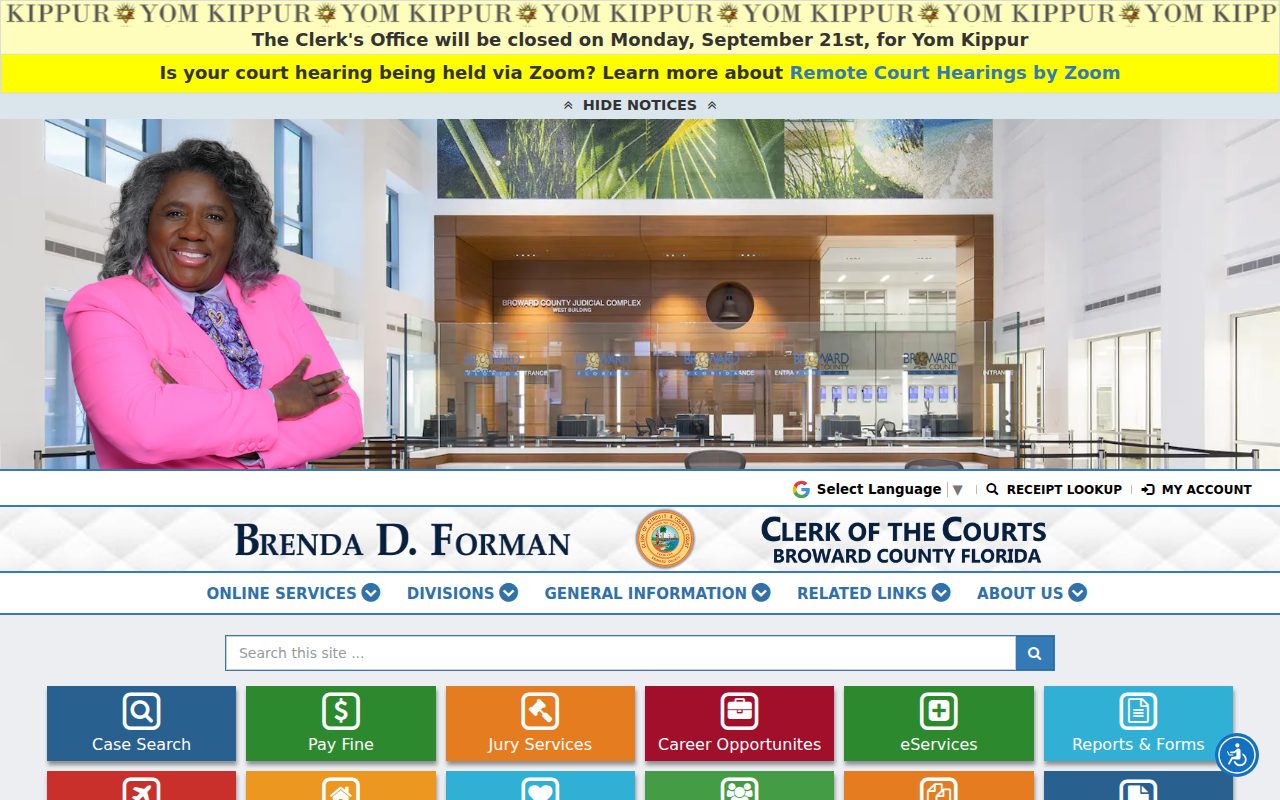
- Broward County Clerk of Courts: The Clerk maintains official court records for the Seventeenth Judicial Circuit and provides online access to search criminal, civil, family, and probate case records. Court records may reflect a case where a bench warrant or capias has been ordered.
- Municipal police departments: Cities within Broward County have their own police agencies that make arrests on warrants. Contact information and any local procedures should be confirmed directly with the relevant department.
Because warrant handling is split among courts and law enforcement, no single public list is guaranteed to show every active warrant. Always confirm details with the issuing court or BSO.
How to Check Whether You Have a Warrant
There is no substitute for confirming directly with an official source. Consider these steps:
- Search court records through the Broward County Clerk of Courts. The Clerk provides online access to criminal case records. A case entry showing a failure to appear or a capias may indicate a bench warrant, but the online record may not state warrant status in plain terms. Confirm anything you find with the Clerk's office.
- Check the BSO arrest/custody search. If someone has already been arrested on a warrant, BSO's online custody search may show that they are in a Department of Detention facility.
- Contact the issuing court or agency directly. If you believe a warrant may exist, the court or law enforcement agency can confirm status and explain the required next steps. Hours, contact numbers, and procedures should be verified with each office because this guide cannot list them.
- Consult a licensed Florida attorney. An attorney can check for a warrant on your behalf and advise you before you take any action.
Safe Steps to Resolve a Warrant
Ignoring a warrant does not make it go away, and an active warrant can lead to arrest during a routine traffic stop or other contact with law enforcement. Take these considerations into account:
- Speak with an attorney first. A defense attorney can explain your options, whether a bond can be posted in advance, and how to appear voluntarily. This is the single most important step, especially for felony matters.
- Understand bond and walk-through options. In some cases, a person may be able to arrange to post a bond or surrender in an orderly way. Bond amounts and whether a walk-through is available depend on the specific warrant and court. Confirm these details with the court or with a licensed bail bond agent — this guide cannot state a bond amount.
- Bring identification and documentation. If you resolve a warrant in person, having proper ID and any relevant case paperwork can help. Confirm what is required with the office you are dealing with.
- Keep records of your contacts. Note the dates, offices, and case numbers involved so you can track your progress.
Remember that a warrant or an arrest is not a conviction. Everyone is presumed innocent unless and until proven guilty in court.
Responsible Use of Warrant Information
Warrant and court information published by Broward County agencies is provided for general informational purposes. It should not be used to make decisions about employment, housing, credit, or insurance. Records can be incomplete, delayed, or updated after an arrest or court appearance, so always verify current status with the official agency before relying on any detail.
Frequently Asked Questions
Is there a single official Broward County warrant list online?
There is no guaranteed single list covering every active warrant. You can search court records through the Broward County Clerk of Courts and use the BSO arrest/custody search, but to confirm a warrant's status you should contact the issuing court or law enforcement agency directly.
Can I find out if I have a warrant without turning myself in?
You can check court records and the BSO custody search, and you can have a licensed attorney inquire on your behalf. An attorney can review the situation before you decide how to proceed.
How much is the bond on a warrant?
Bond amounts depend on the specific warrant and the court that issued it. This guide cannot state a figure — confirm any bond amount with the issuing court, BSO, or a licensed bail bond agent.
Does an outstanding warrant mean I have been convicted?
No. A warrant is a step in the legal process, and an arrest is not a conviction. A person is presumed innocent unless and until proven guilty in court.
Official & Public Resources
Broward County Government
Official Broward County government website with links to county services and records.